October 12, 2026
A kitchen or bathroom renovation requires significant decisions and extensive planning. Among the major choices is selecting the foundational woodwork. Casework sets the tone for the entire space, dictating both aesthetic appeal and functional storage capacity. Homeowners must navigate multiple options when outfitting these critical rooms. Selecting the correct cabinetry establishes a lasting structural core for the residence. The right materials elevate daily living routines and enhance overall property layouts.
The central debate for property owners comes down to mass-produced units versus custom creations. Each path offers distinct advantages and distinct drawbacks. Factory-made products appeal to specific priorities, while custom woodworking addresses different desires. Evaluating the differences in construction, timelines, and financial requirements helps individuals make informed selections. The following analysis explores these distinct cabinetry avenues in detail. By understanding the core distinctions, buyers avoid common renovation pitfalls.
Evaluating the Benefits of Manufactured Options
Mass-produced woodwork provides an efficient solution for renovation projects. Factories produce these units in standard dimensions, allowing for immediate availability. Retailers keep vast inventories in warehouses, ready for consumer purchase. Buyers bypass lengthy fabrication periods when selecting factory lines. This approach suits those requiring rapid project completion without extended delays. Standard configurations accommodate standard household goods without requiring specialized design interventions.
Financial considerations drive the selection of standard casework. Producing units on massive scales reduces individual manufacturing costs. Retailers pass these savings to consumers, creating budget-friendly alternatives. Property owners working within tight financial constraints find great value in stock lines. The reduced purchase price allows for fund reallocation toward different renovation elements like countertops, flooring, or premium kitchen appliances. This economic flexibility empowers buyers with strict budget limits.
Understanding the marketplace requires recognizing the varying levels of production. According to This Old House, there are three main types of cabinets: stock, semi-custom, and custom. Manufactured lines encompass the stock category, offering predetermined sizes and finishes. Consumers choose from existing catalogs rather than dictating original specifications. This systematized approach streamlines the purchasing process. It removes the stress of excessive design choices for those who prefer straightforward, ready-to-install products.
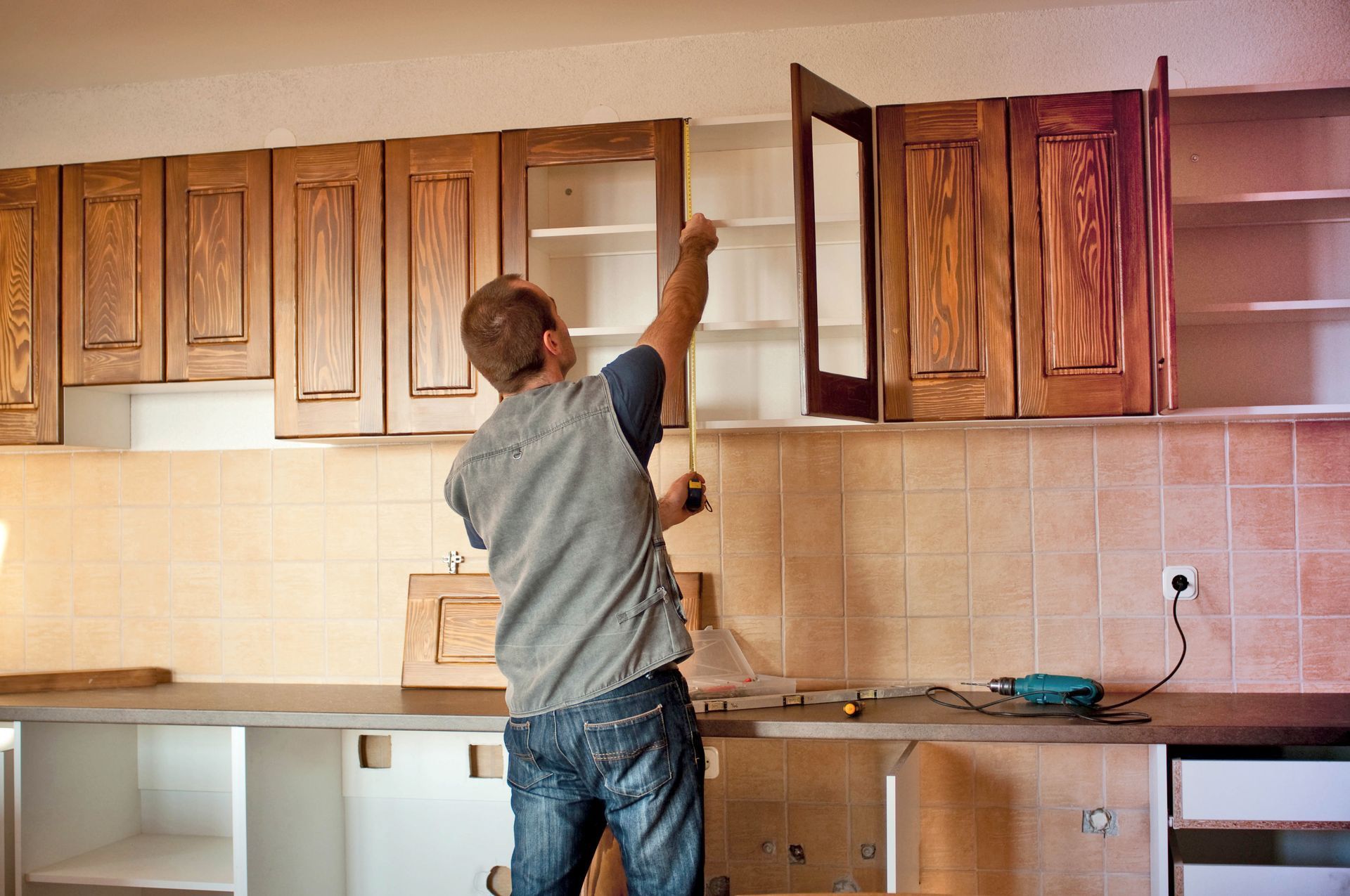
Despite the clear benefits, standard units present inherent limitations. Spaces with unusual dimensions require creative problem-solving when using pre-sized boxes. Installers utilize filler panels to bridge gaps between standard boxes and rigid walls. This reliance on filler materials diminishes the streamlined appearance of the finished room. Buyers compromise precision in favor of convenience and overall affordability. Spaces with angled ceilings or uneven floors expose the inflexibility of manufactured frames.
Analyzing the Advantages of Custom Craftsmanship
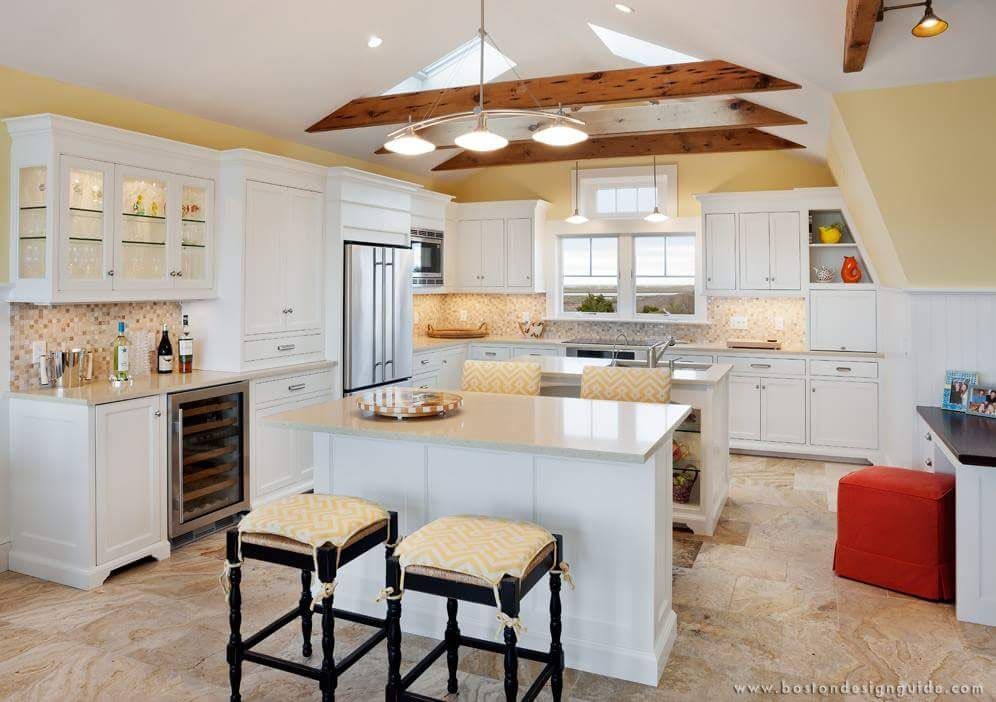
When standard sizes fail to meet specific design requirements, custom solutions offer limitless possibilities. Commissioning custom cabinets ensures every millimeter of space serves a distinct purpose. Artisans construct these units from raw lumber, following precise architectural blueprints. The final product matches the unique contours of the designated room without compromise. Odd nooks and awkward corners transform into functional storage areas through clever woodworking and precise measurements.
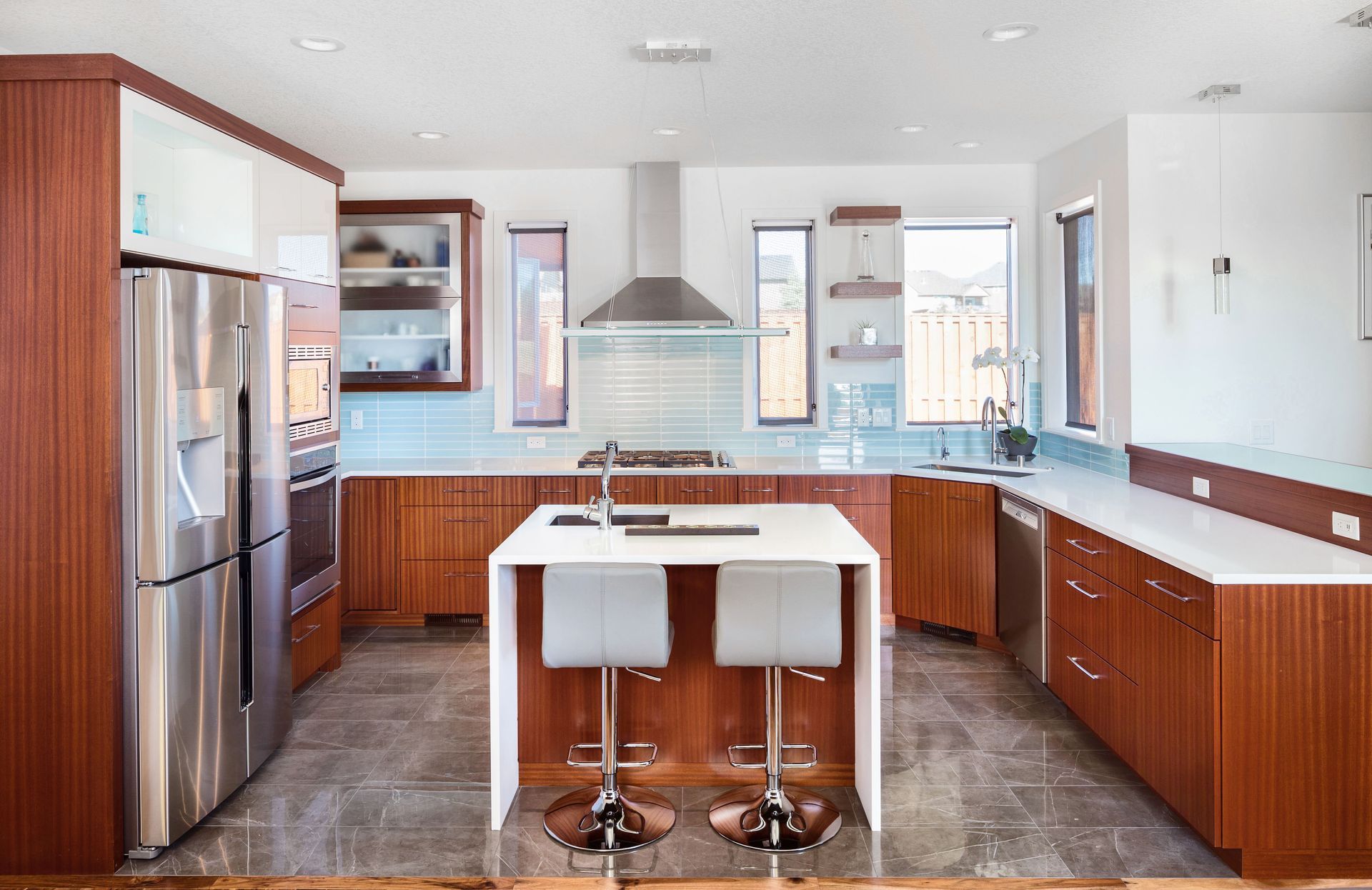
Material quality reaches supreme levels within bespoke woodworking. Craftsmen utilize premium hardwoods and superior joinery techniques during construction. Plywood boxes with solid wood doors replace the particleboard elements common in factory lines. Dovetail joints and heavy-duty hardware guarantee lasting durability under constant use. These premium materials withstand decades of daily wear and tear. The absence of synthetic glues and cheap veneers ensures the woodwork ages with enduring grace.
Aesthetic flexibility stands out as a primary draw for tailored woodwork. Buyers dictating the design of custom cabinets select exact paint shades, wood species, and door profiles. Woodworkers create specialized storage solutions like integrated spice racks or concealed appliance garages. The resulting installation reflects the precise personal taste of the property owner. Intricate moldings and unique glass inserts add further character to the individualized structural framework.
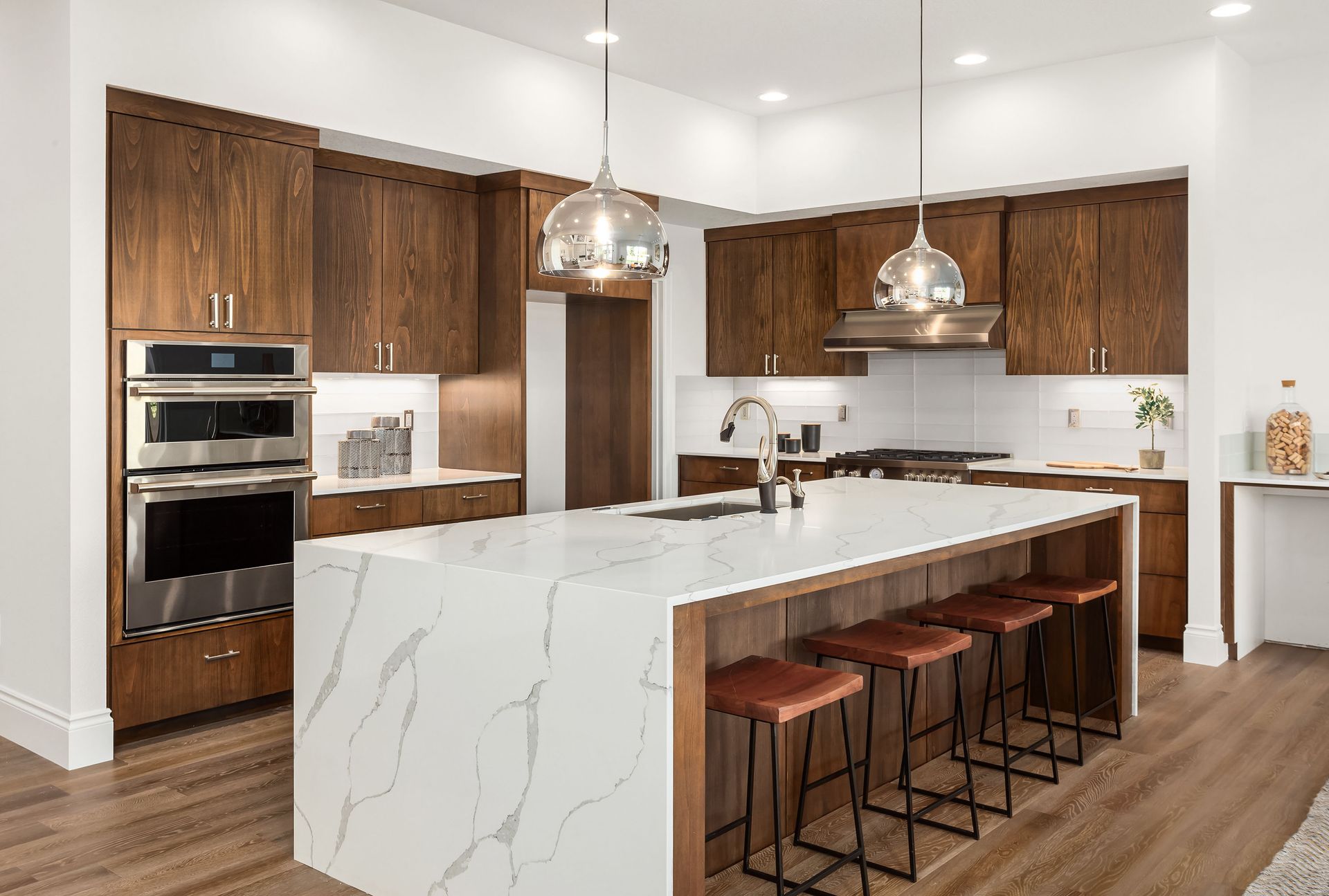
This dedication to supreme craftsmanship translates into long-term reliability. Custom casework avoids the premature degradation seen in mass-produced alternatives. Joints remain tight, and doors hang straight even after generations of rigorous use. The superior build quality eliminates the need for future replacements. Homeowners secure peace of mind knowing the structural integrity remains intact over time. The solid construction supports heavy stone countertops without bowing or structural failure.
Comparing the Impacts on Renovation Schedules
Project timelines vary depending on the chosen cabinetry route. Factory-made options facilitate swift installation schedules. Builders order pre-assembled boxes and retrieve them from distribution centers within days. This immediate access prevents idle periods on active job sites. Contractors proceed with countertop measurements and final finishing without extended pauses. The predictable delivery cycle keeps the entire renovation phase on a strict, manageable track for everyone involved.
However, the mass-produced route introduces unexpected schedule disruptions. Units damaged during transit require return shipments and subsequent reorders. Because factory inventory fluctuates, replacement boxes face potential backorder status. These logistical hurdles pause renovations and create frustrating bottlenecks. Property owners must factor potential transit damages into their timeline expectations. Delays in receiving an individual cabinet box halt the progress of the entire room completion.
In contrast, tailored woodwork requires extreme patience from property owners. The fabrication of custom cabinets spans weeks or months. Artisans mill the lumber, assemble the frames, and apply finishes by hand in specialized workshops. This methodical process ignores tight deadlines in favor of precision. Planners must schedule the rest of the renovation around this fabrication phase. The wait requires living in a construction zone for a longer duration.
The localized nature of custom construction mitigates certain transit risks. Local artisans transport finished pieces from the workshop to the residence. This direct delivery reduces the likelihood of shipping damage. The original builder oversees the installation process, making instant adjustments if necessary. This localized oversight guarantees a smooth and successful final setup. Minor fitment issues receive immediate resolution on site without requiring additional component orders.
Measuring the Effects on Financial Budgets
Evaluating the monetary investment remains a crucial step in the decision process. Standard units represent the most accessible entry point for residential upgrades. The mass manufacturing model drives down the retail price of individual boxes. Buyers complete entire kitchens for a fraction of the cost associated with bespoke methods. This affordability appeals to vast segments of the housing market. New property owners appreciate the ability to achieve fresh looks without exorbitant spending.
Yet, the initial price tag of stock options obscures secondary expenses. Odd room dimensions force installers to perform complex modifications on standard boxes. Labor expenses increase when carpenters struggle to adapt rigid units to imperfect walls. The addition of necessary trim pieces and filler panels adds unexpected material costs to the final invoice. Budget planners must account for these hidden installation variables when calculating the total projected renovation bill.
Tailored woodworking demands a substantial upfront financial commitment. Commissioning custom cabinets requires compensating skilled artisans for their labor and expertise. Premium raw materials add considerable bulk to the overall price. This significant investment places bespoke woodwork at the top tier of renovation expenditures. Property owners must allocate large portions of their funds to secure such craftsmanship. Securing this level of detail requires undeniable financial readiness from the buyer.
Despite the high initial cost, tailored woodwork boosts long-term property values. Discerning real estate buyers recognize the superior quality of custom cabinets during home viewings. The presence of premium woodwork elevates the perceived worth of the entire residence. This value addition translates into higher final sale prices. Owners recoup large portions of their initial investment during property transactions. The custom woodwork acts as a premium focal point for future listings.
Conversely, tailored woodwork appeals to those demanding uncompromising quality and exact specifications. The investment in custom cabinets yields superior durability, precise spatial utilization, and immense aesthetic flexibility. While the fabrication demands patience and larger budgets, the final installation transforms a standard room into an architectural masterpiece. Homeowners must weigh these factors to determine the perfect approach for their residences. A thorough evaluation guarantees an enduring, beautiful household foundation. We at Toby Leary Fine Woodworking are ready to transform your space with custom cabinets tailored to your exact specifications. Contact us today to begin planning your upcoming renovation.